
Neighborhoods never stand still, and the past few years have reshaped how people use their cities day to day. The city living trends 2026 is highlighting are less about flashy new developments and more about everyday quality of life: walkable errands, shared green space, flexible places to work and stronger ties to local businesses. Here is what we are seeing across Miami, Atlanta, Chicago and Seattle, and what it means for your neighborhood.
Key Takeaways
- Linear parks built on old rail lines and infrastructure corridors are becoming neighborhood backbones.
- Coffee shops, libraries and bookstores are thriving as “third places” for remote and hybrid workers.
- More residents are choosing car-light routines built around transit, bikes and walkable errands.
- Shopping local and supporting small businesses has become a core part of neighborhood identity.
Linear Parks and Trails as Neighborhood Main Streets
One of the most visible shifts in American cities is the rise of linear parks: trails and greenways built along old rail lines or under transit tracks. They connect neighborhoods that once felt separate and give people a car-free route for commuting, exercise and weekend wandering.
Examples in Our Four Cities
- Atlanta: the BeltLine has reshaped intown life, with restaurants, apartments and public art clustering along its trails. Our guide to a perfect weekend on the Eastside Trail shows why.
- Chicago: The 606, an elevated trail on a former rail line, links several Northwest Side neighborhoods including Wicker Park and Bucktown.
- Miami: The Underline is turning the land beneath the Metrorail into a linear park and trail, opening in phases.
- Seattle: the long-running transformation of the downtown waterfront has reconnected the city center with Elliott Bay through new promenades and public spaces.
The lesson for residents is simple: homes and businesses near these corridors tend to gain new energy, and the trails themselves become the place where neighbors run into each other.
The Third Place Comeback
With hybrid and remote work now a normal part of life for many people, the “third place,” somewhere that is neither home nor office, has become more valuable than ever.
Coffee shops with reliable Wi-Fi and comfortable seating, public libraries with quiet rooms, and bookstores with cafes are all filling this role. Many neighborhood spots have adjusted with longer tables, more outlets and clear etiquette for laptop users. If you are hunting for a good one, see our roundup of coffee shops built for remote work in our four cities.
How to Be a Good Third-Place Regular
- Buy something every couple of hours if you are staying a while.
- Take calls outside or keep them short and quiet.
- Share tables during busy periods and free up seats at peak lunch hours.
Car-Light Living Goes Mainstream
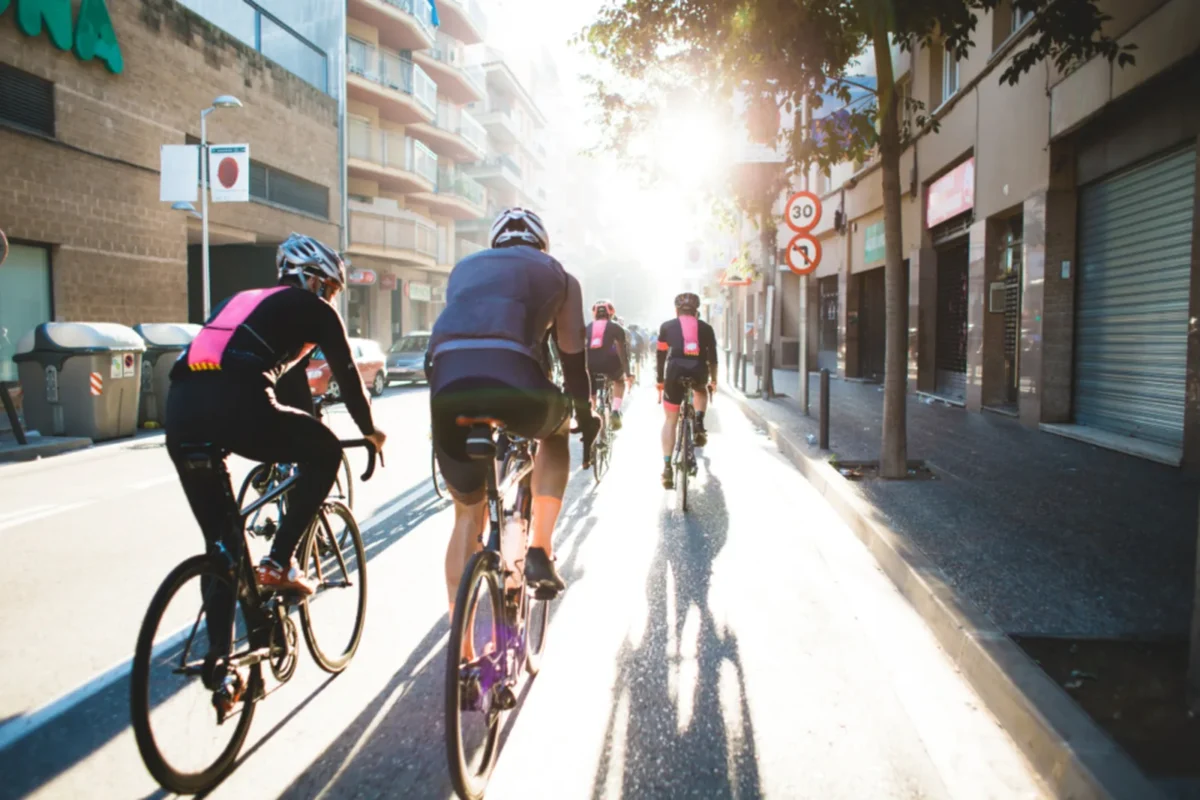
Fewer residents see a car as essential for every errand. Instead, many are mixing transit, bike share, walking and the occasional rideshare or rental to cover their needs.
This trend shows up in how people choose neighborhoods. Proximity to a train station, grocery store and park often matters more than a parking space. For practical strategies, read our guide to car-free city living, which covers everything from grocery runs to rainy-day commuting.
What This Means When You Choose a Neighborhood
If you are apartment hunting, try a simple test before signing a lease: walk the route to the nearest grocery store, pharmacy and transit stop at the times you would actually use them. Notice whether sidewalks feel comfortable, whether there is shade and how long crossings take. A neighborhood that passes this test can save you money and time every week, and it usually comes with a stronger sense of community, since you will see the same faces on the same blocks.
Food Halls, Food Trucks and Flexible Dining
Dining habits continue to favor flexibility. Food halls let groups with different tastes eat together, while food trucks and pop-ups give new chefs a lower-cost way to build a following before opening a full restaurant.
For neighborhoods, these formats create gathering spots that feel casual and accessible. They also make it easier to discover a range of cuisines in a single outing, which is part of why food trucks remain such a big part of local life in cities like Miami and Seattle.
Shopping Local as Neighborhood Identity
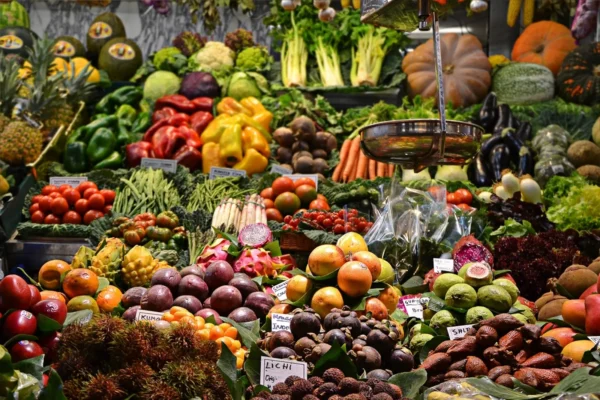
Residents increasingly see independent businesses as part of what makes a neighborhood worth living in. Corner bakeries, hardware stores, record shops and bookstores give an area personality that chains cannot replicate.
That shift has fueled more neighborhood markets, maker fairs and small-business events. It has also changed how people find services, with many relying on neighbor recommendations and community groups when hiring help at home.
- Visit a farmers market or neighborhood market once a month.
- Choose a local shop for gifts and everyday purchases when you can.
- Leave honest, specific reviews for businesses you appreciate.
- Show up for neighborhood events, even small ones.
Resilience, Shade and Green Space
Hotter summers, heavier storms and changing weather patterns are pushing cities to think differently about public space. Expect continued attention to tree canopy, shaded walkways, cooling spots and stormwater-friendly landscaping.
For residents, this means parks and plazas are increasingly designed as everyday infrastructure, not just weekend escapes. A shady route to the train or a park with water access can make a real difference in daily comfort.
Final Thoughts
The biggest city living trends of 2026 share a common thread: people want neighborhoods that make daily life easier, greener and more connected. Whether it is a new trail, a welcoming coffee shop or a thriving block of local businesses, these changes reward residents who get out and explore. Keep reading our Blog for more on how cities are evolving, and follow RegalBuzz.com for neighborhood guides that help you enjoy where you live.