

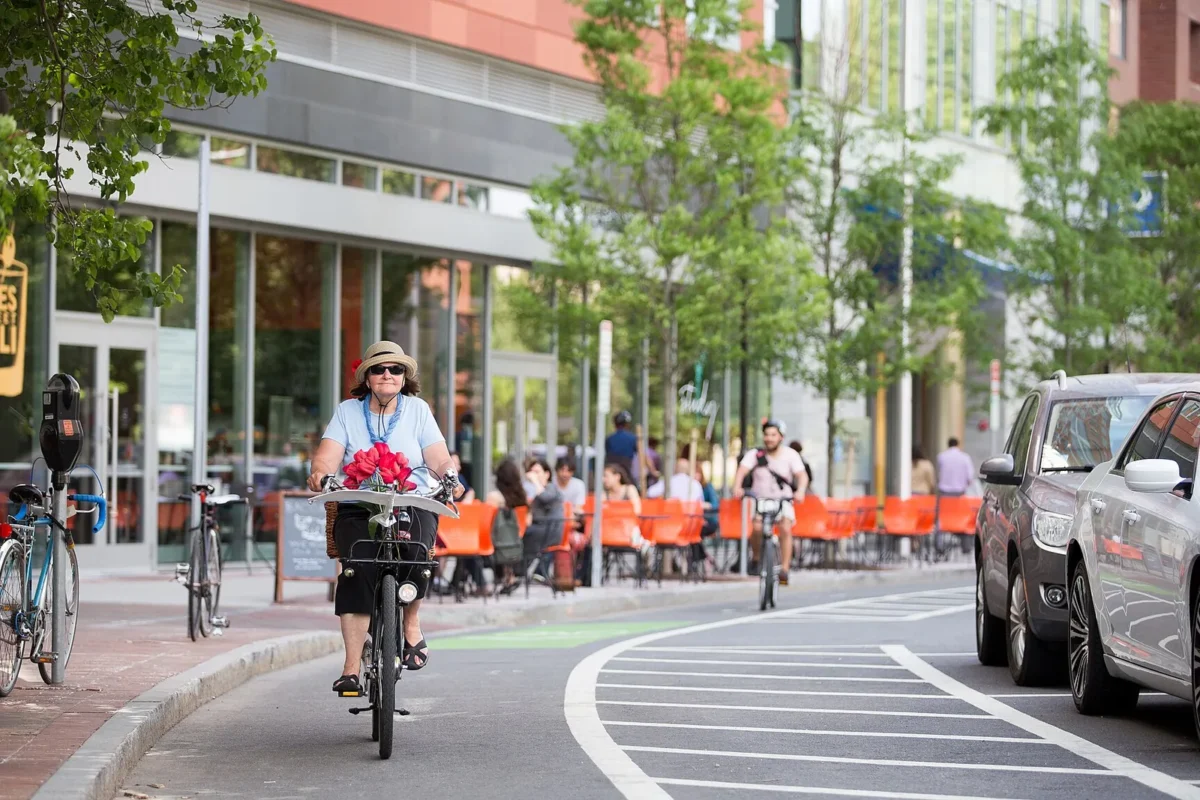
Living without a car can free up money, cut stress and help you know your neighborhood far better than you ever would from behind a windshield. It does take planning, though, especially in cities built around driving. These car-free city living tips cover the habits, tools and trade-offs that make it work, with notes on Miami, Atlanta, Chicago and Seattle.
Key Takeaways
- Where you live matters most: choose a home near frequent transit and daily errands.
- Combine transit, walking, biking and occasional rideshare or car-share instead of relying on one mode.
- Delivery services and smart errand planning handle most of what a car usually does.
- Each city has its own strengths, so learn your local transit system and fare card early.
Start With Where You Live
The single biggest factor in car-free success is location. A home within a short walk of a grocery store, pharmacy and frequent transit line makes daily life simple. A home a mile from the nearest bus stop can make every errand a project.
When apartment hunting, check walking distance to transit and the frequency of service, not just whether a stop exists. A bus that comes every ten minutes is a very different experience from one that comes every hour. Neighborhood comparisons like our Inman Park vs. Old Fourth Ward guide can help you weigh walkability in Atlanta.
Build a Multi-Mode Routine
Successful car-free residents rarely depend on a single way of getting around. They mix options depending on distance, weather and what they are carrying.
Public Transit
Trains and buses are the backbone. Download your transit agency’s official app or a trusted trip-planning app for real-time arrivals, and get the local reloadable fare card so boarding is quick.
Biking and Scooters
A bike can turn a 30-minute walk into a 10-minute ride. Bike-share systems are great for one-way trips, and many cities have expanding networks of protected lanes. Invest in good lights, a sturdy lock and a helmet.
Walking
Comfortable shoes are underrated infrastructure. Walking short trips saves money, keeps you active and helps you discover neighborhood businesses you would otherwise miss.
Rideshare and Car-Share
Keep rideshare or hourly car-share in your toolkit for late nights, bad weather and big shopping runs. Even with occasional rides, many people find the total cost lower than owning, insuring and parking a car, though it depends on your habits.
How Car-Free Life Works in Four Cities
Each city has its own personality when it comes to getting around. Here is a quick overview of the systems locals rely on. Routes and fares change, so check the official agency websites for current details.
Miami
Miami-Dade Transit runs Metrorail, buses and the Metromover, an elevated people mover that loops through Downtown and Brickell and has long been free to ride. Citi Bike Miami offers bike-share in parts of the city and Miami Beach. Car-free living is most practical in dense areas like Brickell and Downtown. Our Miami hidden gems guide has ideas for exploring beyond the usual tourist zones.
Atlanta
MARTA’s rail lines and buses connect Downtown, Midtown, Buckhead and the airport, and fares are paid through MARTA’s Breeze system. The Atlanta BeltLine’s paved trails have made walking and biking between intown neighborhoods much easier. Our Atlanta BeltLine weekend guide shows how pleasant it can be on foot.
Chicago
Chicago is one of the easiest big U.S. cities to live in without a car. The CTA’s ‘L’ trains and buses cover much of the city, the Ventra card works across the system, and Divvy bike-share stations are widespread. The Lakefront Trail is a scenic route for walkers and cyclists.
Seattle
Seattle residents use Link light rail, King County Metro buses and Washington State Ferries, all payable with the ORCA card. Hills and rain are the main challenges, so good rain gear and an e-bike can make a real difference.
Handling Errands Without a Car
Errands are where car-free living gets tested. A few habits turn them from chores into routines.
- Shop small and often. Picking up groceries a few times a week means lighter loads.
- Use the right gear. A rolling cart, sturdy backpack or bike panniers make carrying easy.
- Lean on delivery strategically. Have heavy items like water, pet food and household supplies delivered.
- Cluster tasks. Combine the pharmacy, post office and hardware store in one trip.
- Book car-share for big jobs. Furniture runs and bulk shopping are easier with a few hours of wheels.
Planning Trips, Weather and Emergencies
A little forethought prevents most car-free headaches.
- Check weather before you leave. Pack rain gear in Seattle and plan around afternoon storms in Miami summers.
- Know your late-night options. Learn which routes run overnight and keep a rideshare budget for nights when they do not.
- Plan airport trips. Atlanta, Chicago and Seattle all have rail connections to their main airports, and Miami’s Metrorail reaches Miami International.
- Have an emergency plan. Save the number for a local taxi company and know the nearest urgent care reachable by transit.
Weighing the Costs and Trade-Offs
Going car-free is a personal calculation. Add up what a car really costs you, including payments, insurance, fuel, maintenance and parking, then compare it with a monthly transit pass, occasional rideshares and a few car-share rentals. For many city dwellers, the difference is significant.
There are trade-offs, too. Some trips take longer, spontaneous road trips need more planning and certain suburbs remain hard to reach by transit. Many people find a middle path works best, such as sharing one car within a household or renting for weekend getaways.
Final Thoughts
Car-free living is less about sacrifice and more about designing a life where most of what you need is close by. Choose your home carefully, mix your modes and plan errands with intention. These car-free city living tips are a starting point; your own routes and routines will follow. For more practical guides, explore our Urban Living section here at RegalBuzz.com.