
Every city has its headline art district, the one that shows up on postcards and gets packed on weekends. But the most rewarding creative scenes are often a few blocks or a few neighborhoods away, in underrated art enclaves where artists still rent studios, murals change with the seasons and gallery owners have time to talk. Here is where to find them in Miami, Atlanta, Chicago and Seattle.
Key Takeaways
- The best art enclaves are usually just outside the famous districts, where rents and crowds are lower.
- Monthly art walks and open-studio nights are the easiest way into a local scene.
- Community art centers and nonprofit spaces often show more adventurous work than commercial galleries.
- Go on a weekday or early in the day to actually see the work and meet the people making it.
What Makes an Art Enclave Worth the Trip
An art enclave is more than a wall of murals. The good ones combine working studios, independent or nonprofit galleries and a neighborhood that actually lives around the art rather than performing for visitors.
When we scout these pockets, we look for a few signals:
- Working artists on site: studio buildings, residencies or shared workshops, not just finished pieces.
- Rotating work: murals and exhibitions that change, so a second visit feels different from the first.
- Community roots: art that reflects the neighborhood’s history, language and people.
- Room to wander: walkable blocks where a coffee stop or a side street can turn up something unexpected.
Miami: Look North of Wynwood
Wynwood made Miami’s street art famous, and it is still worth a walk. But the city’s more personal creative energy has spread to neighborhoods just north and east of it.
Little Haiti and Little River
Little Haiti carries one of the most distinct visual cultures in the city, with bright storefront signage, hand-painted murals and Haitian art traditions woven into daily life. The Little Haiti Cultural Complex hosts exhibitions, performances and community events that center Caribbean artists. Neighboring Little River has drawn studios and galleries into converted warehouses, and its quieter streets reward slow exploring.
Bakehouse Art Complex
Set in a former industrial bakery on the edge of Wynwood, the Bakehouse Art Complex has supported working artists with affordable studio space for decades. Open-studio events are the time to go, when you can walk the halls and see work in progress. If you are planning a full day, pair it with our list of Miami hidden gems locals actually love.
Atlanta: Warehouses, Tunnels and Lofts
Atlanta’s art scene grew up in old rail and industrial corridors, which means many of its best spaces sit in brick buildings with plenty of character.
Castleberry Hill
Just southwest of downtown, Castleberry Hill is a historic warehouse district turned loft neighborhood with a long-standing gallery presence. Its art strolls bring galleries, artists and neighbors out onto the same few blocks, and the area keeps a creative, unpolished feel that larger districts have lost.
Cabbagetown and the Krog Street Tunnel
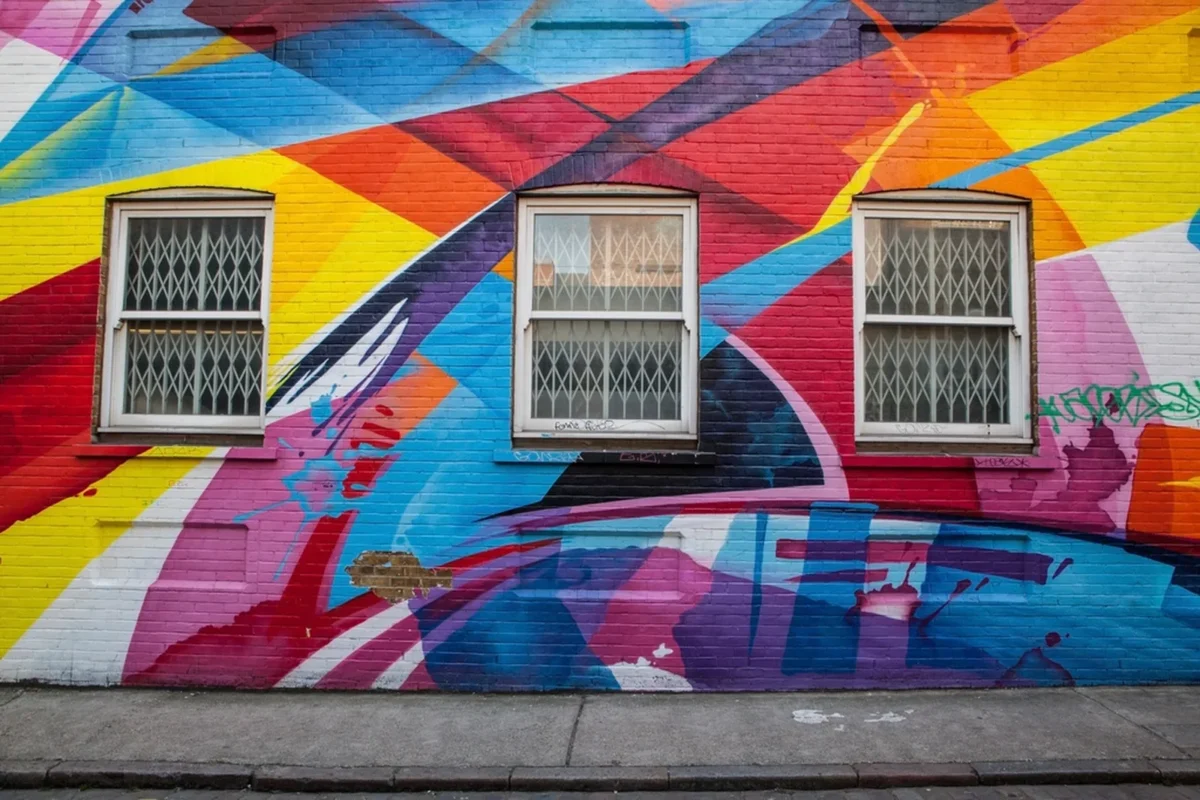
The Krog Street Tunnel is one of the city’s most famous canvases, layered with graffiti and posters that change constantly. Walk through and into Cabbagetown, a former mill village where painted shotgun houses and murals along the old rail wall give the whole neighborhood the feel of an outdoor gallery. It connects naturally to the trail described in our weekend on the Atlanta BeltLine Eastside Trail.
Atlanta Contemporary
On the Westside, Atlanta Contemporary is a nonprofit art center known for ambitious exhibitions and artist studios. It is a good reminder that some of the city’s most forward-looking work sits outside commercial gallery rows.
Chicago: Murals, Studios and Neighborhood Pride
Chicago’s public art reaches far beyond the Loop sculptures most visitors photograph. Head to the neighborhoods and the work gets more personal.
Pilsen
Pilsen is home to some of the most powerful mural work in the Midwest, much of it rooted in the neighborhood’s Mexican and Mexican American community. Walk 16th and 18th streets to see layered, story-driven murals, then visit the National Museum of Mexican Art in Harrison Park, a long-running institution with a strong permanent collection. Keep an eye out for periodic open-studio events, which let you step inside working spaces.
Hyde Park Art Center
On the South Side, the Hyde Park Art Center has been a community anchor for generations. It mixes exhibitions with classes and studio programs, so the building often feels like a place where art is being made rather than simply displayed.
Seattle: Industrial Edges and First Thursdays
Seattle’s creative scene thrives in older districts where artists found space before the tech boom reshaped the city.
Georgetown
Georgetown, south of downtown along the industrial flats, has long been a haven for artists, makers and musicians. Its monthly art walk, Georgetown Art Attack, turns galleries, studios and small shops into one long evening crawl. The brick buildings and former brewery spaces give the neighborhood a gritty charm that suits its independent spirit.
Pioneer Square
Pioneer Square, the city’s oldest neighborhood, hosts the First Thursday Art Walk, one of the longest-running art walks in the country. Galleries cluster among Romanesque Revival buildings, and on art walk nights the streets fill with people moving from one opening to the next. On gray afternoons, it also slots neatly into our rainy-day hidden gems in Seattle.
How to Explore Art Enclaves Like a Local
A little planning goes a long way, especially in neighborhoods where studios keep irregular hours.
- Check the art walk calendar. Most enclaves have a monthly night when everything opens at once.
- Follow the spaces, not just the artists. Nonprofit centers and studio buildings post open-studio dates well ahead of time.
- Buy small. Prints, zines and postcards are an easy way to support artists without a big budget.
- Respect private property. Murals often sit on homes and businesses, so photograph from the sidewalk and keep entrances clear.
- Eat nearby. Neighborhood cafes and taquerias are part of the scene and often display local work.
Final Thoughts
The most memorable art in any city rarely sits behind velvet ropes. It lives in converted warehouses, on alley walls and inside community centers where neighbors gather. Explore more creative corners in our Hidden Gems section, and keep following RegalBuzz for the local spots that make Miami, Atlanta, Chicago and Seattle worth exploring twice.